PIRL EXPERIMENTALEducation & Consulting
Practical teaching resources.
Support for your next idea.
I’m William Pirl, a classroom teacher helping educators, families, and schools turn learning challenges into useful next steps. Explore my free resources, or work with me on coaching, custom materials, and tools built around your needs.
15+ years in education · Practicing science teacher · Point Pleasant, NJ
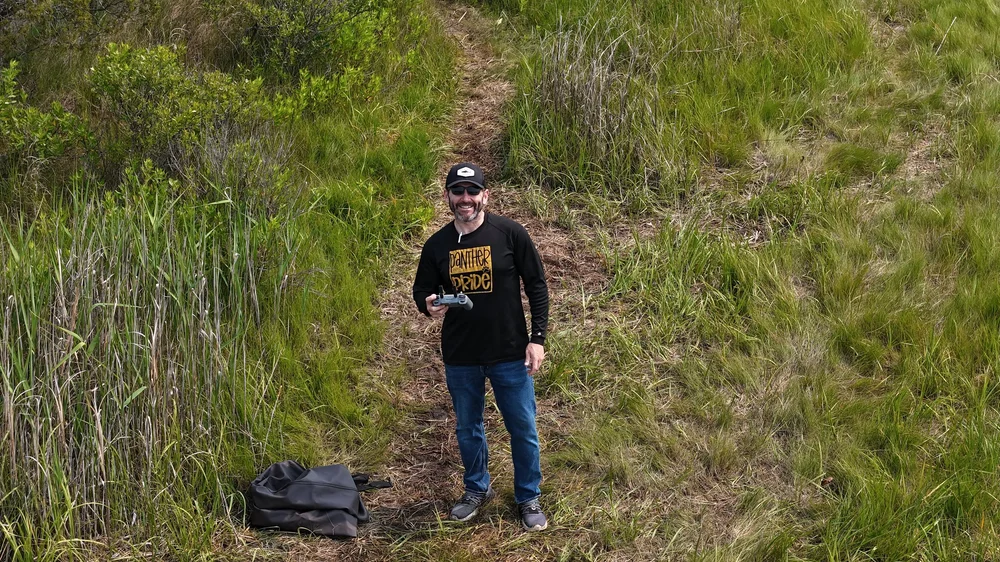
How I can help
Start with what you want to make better.
Coaching & learning support
Teacher coaching, student tutoring, and parent support focused on clearer understanding, useful routines, stronger engagement, and next steps that fit the learner.
Custom resources & tools
Readings, notebook pages, assessments, simulations, and practical digital tools designed around the problem you need to solve.
School & team support
Curriculum adaptation, department collaboration, and professional learning shaped around your students, teaching goals, and real classroom conditions.
A focused conversation, a collaborative project, or help creating the finished resource.
Explore ServicesScience and K–8 learning are my strongest foundations. I also collaborate across subjects and grade levels on engagement, lesson design, and learning habits.
Fresh from Pirl Experimental
What’s New
Two new ways to look closer, a lesson built around movement and injury, and honest reflections from my classroom. Explore the latest tools—and the teaching decisions behind them.

New interactive explorer
Body Explorer
Explore skin, nerves, blood, fat, muscle, and bone through naked-eye, tissue-diagram, microscope, and cell views. Compare structures, sketch observations, and connect what you notice to injuries and healing.

New interactive explorer
Microscope Explorer
Look closer at 12 materials and prepared specimens, from crystals and a printed letter e to feathers, fibers, hair, and tiny insects. Use the slider to compare naked-eye and microscopic teaching models.
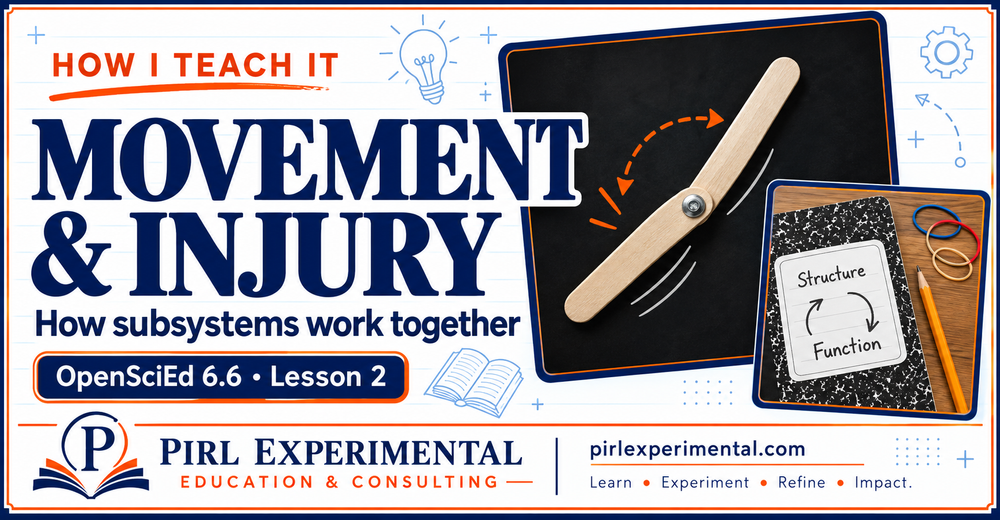
How I Teach It · Lesson 2
From Movement to Injury
Follow three days of arm models, injury simulations, and notebook work. See what helped students connect structure and function, where the measurements fell short, and why I’m bringing back the frog-leg dissection.

Teaching reflection
A Good Bad Day in the Science Classroom
My first arm-model lab did not go as planned. Revising it reminded me how uncertainty feels for students—and why I need to give their learning, and my own teaching, a longer timeline.

Curiosity in the lab
Scientific “Play Time”
A few purposeful minutes with the materials can give students patterns to notice, questions to ask, and something worth writing about. Here’s how I connect that exploration to discussion and evidence.

AI & teacher decision-making
My AI Teacher Bestie Needed a Devil’s Advocate
One lesson spent 36 hours living in my brain. Asking AI for supportive, skeptical, and outside perspectives helped me weigh pacing, differentiation, and what my students actually needed next.
Also worth a look: Skin, Muscle & Bone: 10-question NJSLA-style practice · The OpenSciEd unit hub: guides and classroom resources for Units 6.6 and 7.1–7.5
Browse all simulations · Read more classroom reflections
Selected work
See what an idea can become.
A classroom question or a practical challenge can become a resource people can put to work.
Classroom resource development
From a tissue sketch to an interactive model.
A hand-drawn model became digital illustrations and a skin-healing simulation. Students can pause the process, examine cell division, and investigate changing conditions.
Created: a visual sequence and interactive teaching resource.
Custom research tool
A clearer next step after high school.
A high school counselor needed a manageable way for students to explore trade programs. The project brought program research, comparison, application links, and commute planning together.
Created: a web app and a guide for launching an independent copy.
Read the project story
The tool organizes research around the questions students need to ask themselves, their counselor, and the training provider. The handoff included editable app files and plain-language launch instructions, with a virtual launch session and two follow-ups outlined in the support plan.
References available upon request.
Discuss a Similar ProjectFind something useful.
Choose a place to explore the growing collection.
- Classroom ResourcesHandouts, notebook supports, and learning activities.
- CurriculumLesson adaptations and the thinking behind them.
- SimulationsModels students can investigate and discuss.
- Creator ToolsTools for planning, creating, and refining your work.
- ArticlesIdeas about teaching, learning, and useful change.
- BlogReflections and experiments from classroom practice.
The approach
Learn.
Experiment.
Refine.
Impact.
I’m William Pirl.
I’m still experimenting.
I’m a middle-school science teacher, parent, and the founder of Pirl Experimental. After more than fifteen years in education, I’m still interested in the same question: what will help this learner, lesson, or idea work better?
My classroom is where many of these resources begin. Real students, real schedules, and real questions keep shaping what I create—and what I change.
Let’s work on it
What are you trying to make better?
Tell me about the learner, lesson, resource, or workflow you have in mind. You don’t need a finished plan to start a useful conversation.
Prefer email? williampirl@pirlexperimental.com
An inquiry is not a commitment. Scope and cost are agreed upon before paid work begins.